
FOR IMMEDIATE RELEASE
UHBP Calls for Action Following Death of Former NC State Swimmer and Coach Jack Roney
Drowning tragedy involving an accomplished Division I swimmer highlights a critical education gap surrounding Underwater Hypoxic Blackout (Shallow Water Blackout)
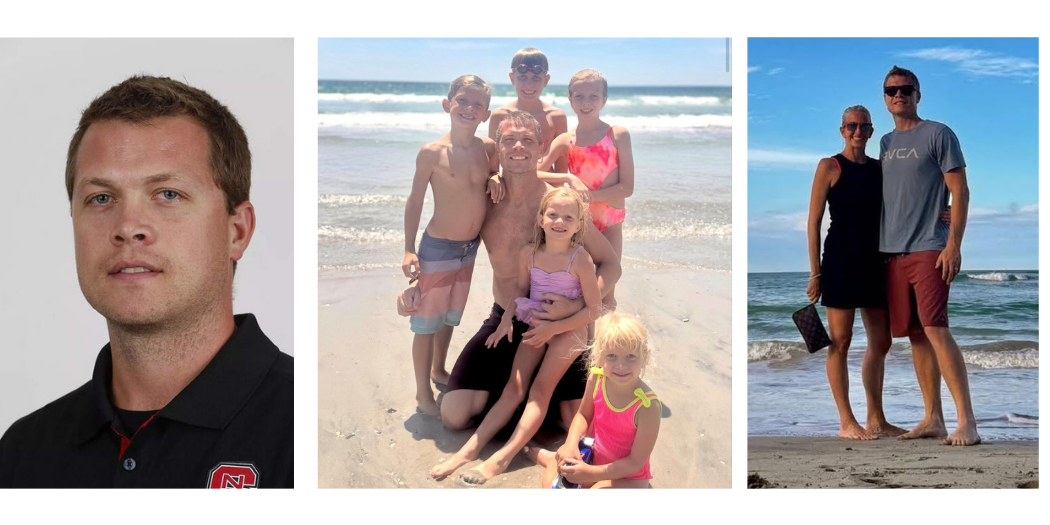
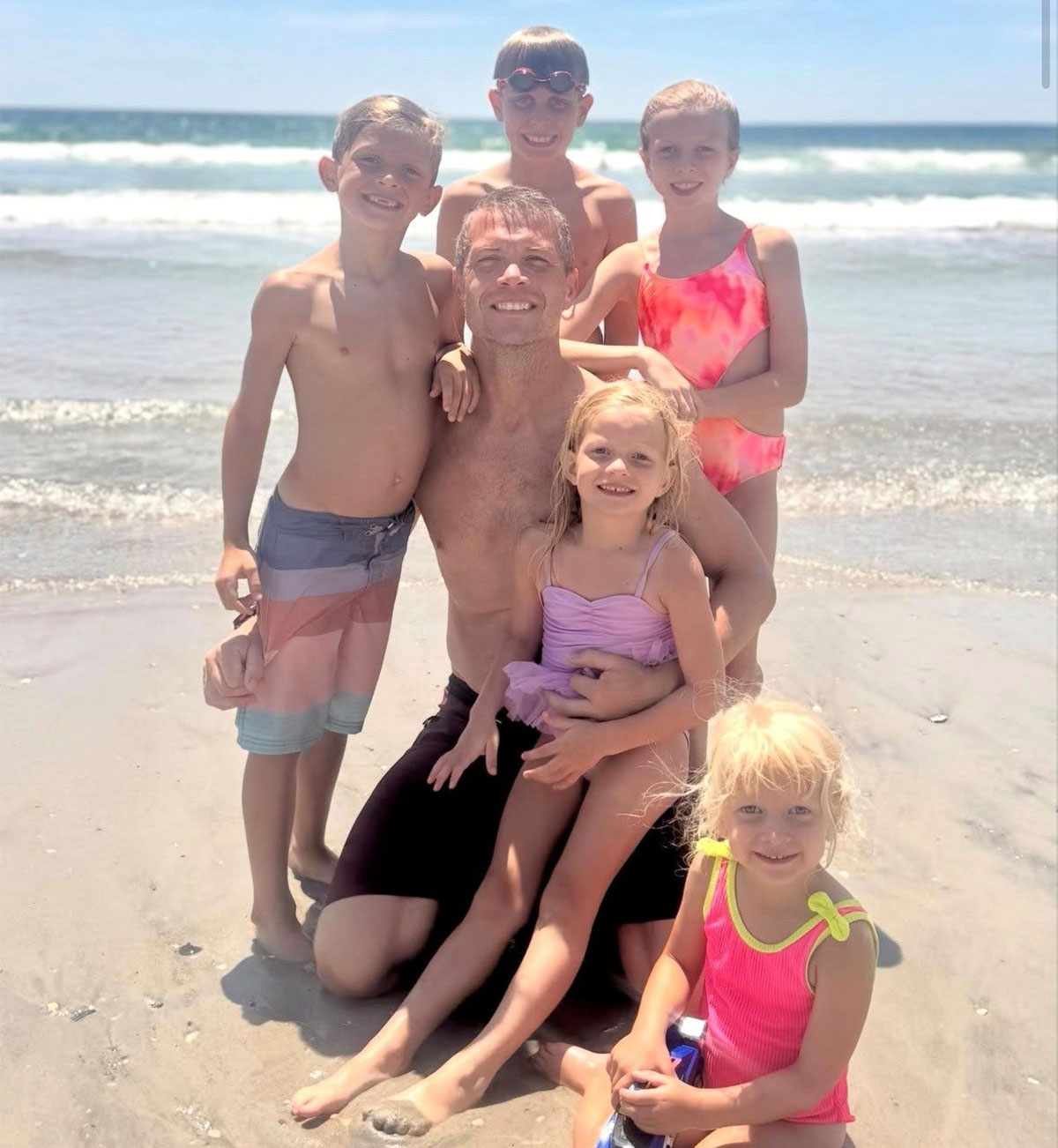
ATLANTA, GA — August 17, 2026 — The Board of Directors of the Underwater Hypoxic Blackout Prevention Foundation (UHBP) extends its deepest condolences to the family of Jack Roney, a former NC State swimmer and assistant coach, husband, and father of five who died on July 5 at the age of 39.
Roney drowned while practicing extended underwater breath-holding. Law enforcement reportedly reviewed video showing Roney remaining underwater for approximately two minutes and 14 seconds, resurfacing, and then submerging again before losing consciousness. His death was ruled an accidental drowning.
Roney’s family has publicly expressed the family’s desire to warn others about the dangers of extended underwater breath-holding in hopes of preventing another family from experiencing this tragedy.
Roney was an accomplished Division I athlete who broke NC State’s 200-yard breaststroke record and later served as an assistant coach. His wife, Maresa, was also a swimmer at NC State.
“We were swimming laps together that afternoon. The last thing we did together was race a 25 freestyle. After that, I continued to finish my workout, and Jack went off to do his own thing—floating around and holding his breath. By the time I realized something was wrong, it was too late. I had never heard of shallow-water blackout, and neither of us knew this could happen. If we had known, I know Jack would still be here today. – Maresa Roney, Wife
“Jack’s loss serves a meaningful purpose that we hope brings about positive change and lasting results, ensuring that his legacy and the danger of hypoxic blackout will live on through his survivors. Experts believe shallow water/hypoxic blackout to be the #1 cause of drowning among experienced swimmers. It can happen without warning, regardless of physical condition or swimming ability. If one wants to hold their breath, do it on a sofa, not in a pool. The Roney family will continue to promote hypoxic blackout / shallow water blackout awareness.” – John Roney, Father
His death demands the attention of the competitive swimming and aquatics communities.
For more than a decade, the dangers associated with extended underwater breath-holding have been formally recognized by leading aquatic organizations.
In 2015, USA Swimming, the American Red Cross, and YMCA of the USA issued a joint statement addressing hypoxic blackout and the dangers of hyperventilation and extended breath-holding. That guidance, updated in 2022, states that these practices are dangerous and potentially deadly. It further states that lifeguards, instructors, and coaches are trained to recognize and prevent these behaviors and to educate swimmers about their dangers.
Yet experienced swimmers and coaches continue to enter the water without fully understanding the risk, and we still receive many reports that coaches are using extreme hypoxic training in their workouts.
There is a clear gap between having safety guidance and ensuring that the people on the pool deck actually know it.
Jack Roney’s tragic death should compel the competitive swimming community to examine that gap.
The Board of Directors of the Underwater Hypoxic Blackout Prevention Foundation is calling on USA Swimming, the American Swimming Coaches Association, the NCAA, U.S. Masters Swimming, the Red Cross, and other organizations responsible for the education and safety of competitive swimmers and coaches to join UHBP in evaluating how underwater hypoxic blackout and dangerous breath-holding practices are currently addressed.
Specifically, UHBP is asking these organizations to examine:
- Where and how UHB and dangerous underwater breath-holding practices are taught to swimmers and coaches.
- Whether understanding of this risk is required and tested as part of coach certification and continuing education.
- Whether competitive and collegiate swimmers receive direct education about UHB.
- What standards govern underwater and breath-holding training during organized practices.
- How the aquatics community can collectively ensure that recognizing and preventing UHB becomes fundamental knowledge throughout competitive swimming.
If an accomplished Division I swimmer and former collegiate coach can die while practicing extended underwater breath-holding, are we doing enough to ensure that every swimmer and every coach understands the risk?
UHBP Calls on Swimmers, Coaches and Aquatic Facilities to Act Now
Systemic change will require collaboration among governing organizations, but education does not need to wait.
UHBP urges swimmers, coaches, aquatic professionals, teams, and facilities to educate themselves now about underwater hypoxic blackout, the behaviors that increase risk, and the steps that can prevent another tragedy.
The Underwater Hypoxic Blackout Prevention Certification is available online for individuals, teams, and aquatic facilities. The 1–2 hour training was developed in collaboration with Dr. Tom Griffiths and the Aquatic Safety Research Group to equip participants to identify, prevent, and respond to UHB incidents.
Facilities can also pursue designation as a UHB-Aware Certified Facility by training their teams and implementing this knowledge within their aquatic safety practices.
Learn more and begin UHB certification:
https://underwaterhypoxicblackout.org/uhb-certification/
About the Underwater Hypoxic Blackout Prevention Foundation
The UHBP Foundation is dedicated to preventing underwater hypoxic blackout through education, awareness, research, training, and advocacy. UHBP works with aquatic professionals, facilities, researchers, families, and water safety organizations to advance understanding of UHB and prevent avoidable loss of life.
Media Contact:
Underwater Hypoxic Blackout Prevention Foundation
www.underwaterhypoxicblackout.org
Executive Director
Britt Jackson, britt@uhbp.org
Sources:
PEOPLE, “Former College Swimmer and Dad of 5 Died While Practicing Holding His Breath, Autopsy Finds,” August 12, 2026.
American Red Cross, USA Swimming and YMCA of the USA, “Joint Statement on Hypoxic Blackout and Inaccurate Use of the Terminology Shallow Water Blackout,” updated January 2022.
Leave a Reply